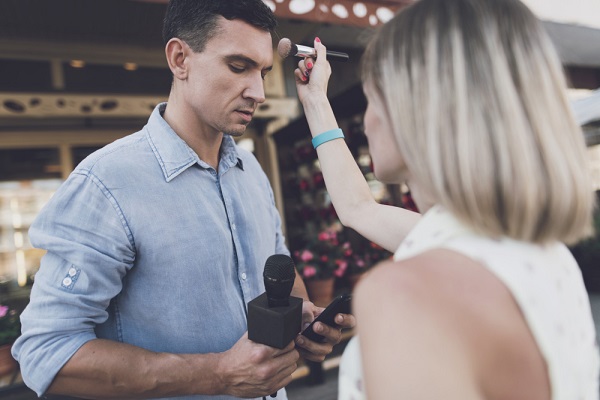
Makeup that looks good in person does not always look the same on camera. Photography, lighting, and high-resolution images reveal imperfections more readily than natural lighting does.
A camera-ready makeup look focuses on balanced skin and controlled product placement. The goal is simple. Your makeup should appear natural in person and refined in photos.
This article explains how professional techniques for flawless photoshoot makeup look!
Regular makeup is usually designed for indoor lighting and casual environments. Photography places the face under stronger lighting and greater detail.
Cameras capture undertones, texture, and contrast more clearly than the human eye. Makeup that looks soft in person may appear flat or uneven in photos.
Camera-ready makeup focuses on three key factors:
When these elements are balanced, the face photographs cleanly without looking heavy or artificial.
Great photoshoot makeup always begins with proper skin preparation. Well-prepared skin allows makeup to blend smoothly and remain stable under lighting.
Without proper preparation, the foundation can separate, settle into texture, or appear uneven in photographs.
A consistent preparation routine helps makeup behave predictably throughout the shoot.
Typical preparation includes:
These steps create a smooth base that improves how makeup sits on the skin.
When skin is properly prepared, foundation spreads evenly and requires less product.
Fewer products mean less buildup, which reduces the chance of texture appearing in photographs. Lighting also reflects more evenly across balanced skin.
Professional photoshoot makeup focuses on precision rather than heavy product layers. Small adjustments in placement and blending make a noticeable difference on camera.
The foundation should create an even skin tone without masking natural skin movement. Medium coverage often performs better than thick layers.
Important techniques include:
This approach creates a smooth finish that photographs cleanly.
Concealer should correct specific areas rather than cover the entire face.
Professionals focus on:
Strategic concealing improves clarity in photographs.
Contouring shapes the face so features remain visible under strong lighting. The key is subtle structure rather than dramatic sculpting.
Balanced contour placement helps define:
Highlight should be kept in check to avoid excessive shine in photos.
Eyes can appear smaller or softer under bright lighting. A slightly stronger definition helps them remain visible in photographs.
Professionals often focus on:
These elements keep the eyes expressive without overpowering the face.
Lip color often appears lighter on camera than in person. Slightly richer tones help maintain balance in photographs.
Well-defined lip shape also keeps the face from looking washed out under strong lighting.
Lighting is one of the most important factors in photography makeup. Different lighting conditions change how colors, texture, and shine appear in photos.
Studio lights are strong and evenly distributed. Makeup may need slightly stronger definition, so facial features remain visible.
Outdoor lighting reveals natural skin texture more clearly. Blending and skin preparation become especially important in this environment.
Flash can reflect off certain ingredients in makeup products. Controlled powder placement and balanced foundation reduce unwanted reflection.
Understanding lighting allows makeup artists to adjust application techniques accordingly.
Several common mistakes can affect how makeup appears in photos.
Balanced application prevents these issues and helps maintain a natural finish.
Certain photography sessions benefit from professional makeup preparation.
Examples include:
Photoshoot makeup services focus on skin balance, lighting compatibility, and long-lasting application. These factors help the final images appear polished and consistent.
A professional makeup artist evaluates several factors before starting the application.
Preparation often includes:
These steps ensure the makeup remains stable throughout the session and photographs evenly.
Even well-applied makeup may need minor adjustments during longer photography sessions.
Helpful tips include:
Small touch-ups help maintain consistency across all images.
Achieving a camera-ready makeup look requires more than applying products. Lighting, skin preparation, and balanced application all influence how makeup appears in photographs.
I provide professional Photoshoot makeup services Fort Worth,TX, branding shoots, engagements, and editorial work. Each look is designed to appear natural in person and refined on camera.If you have an upcoming photoshoot and want makeup that photographs beautifully, you can book your appointment here: https://www.makeupbylisett.com/